
Buying a piece of raw land can be an exciting way to own property without purchasing an existing home. Maybe you are looking for a quiet place to build in the future, want a recreational property, or simply want to own acreage as a long-term investment. Whatever your reason, one of the first questions you will probably ask is how to pay for it.
When buying undeveloped property, financing does not always work the same way as it does when purchasing a house. Traditional banks offer land loans, but qualifying can sometimes be more complicated than getting a mortgage for an established home. Another option is owner financing, where the land seller allows you to make payments directly instead of getting a loan from a bank.
Understanding your raw land financing options can help you choose a payment arrangement that fits your budget and makes purchasing land more manageable.
Why Financing Raw Land Is Different
When you buy a home with a traditional mortgage, the lender has a completed property that can serve as collateral for the loan. Raw land is different. It may be completely undeveloped, with no house, utilities, or other improvements.
Because of this, some lenders have stricter requirements for vacant land than they do for residential mortgages. The lender may consider your credit history, income, down payment, debt, the location of the property, and the property’s value before approving financing.
The type of land you are purchasing can also matter. A small parcel near an established community may be treated differently from remote acreage with limited road access or utilities.
For buyers, this means it is worth understanding the available raw land buying options before deciding how to finance a purchase.
How Traditional Land Loans Work
A traditional land loan is financing provided by a bank or other financial institution specifically for purchasing land. Instead of paying the entire purchase price upfront, the buyer borrows money and repays the lender according to the loan agreement.
The application process generally involves reviewing your financial situation and the property. Depending on the lender, you may need to provide information about your income, credit history, existing debts, down payment, and intended use of the land.
The lender may also evaluate the property itself. Location, accessibility, zoning, market value, and development potential can all be relevant when determining whether the property qualifies for financing.
A bank mortgage for vacant land can be a useful option for buyers who meet the lender’s requirements. However, not every bank offers land loans, and the terms can vary considerably between lenders.
How Owner Financing Works
Owner financing provides another way to purchase land. Instead of borrowing the money from a bank, the buyer makes an agreement directly with the property owner.
The buyer and seller agree on the purchase price, down payment, monthly payment, repayment period, and other terms. Depending on the agreement, interest may also be included in the payments.
For example, imagine you find a parcel of land that fits your plans, but you do not want to go through a traditional bank loan process. If the seller offers owner financing, you may be able to make an agreed-upon down payment and then pay the remaining balance over time.
The exact structure depends on the seller and the contract. Some sellers may offer flexible terms, while others may have specific requirements.
This is why anyone considering a no bank land purchase should carefully review the complete financing agreement before moving forward.
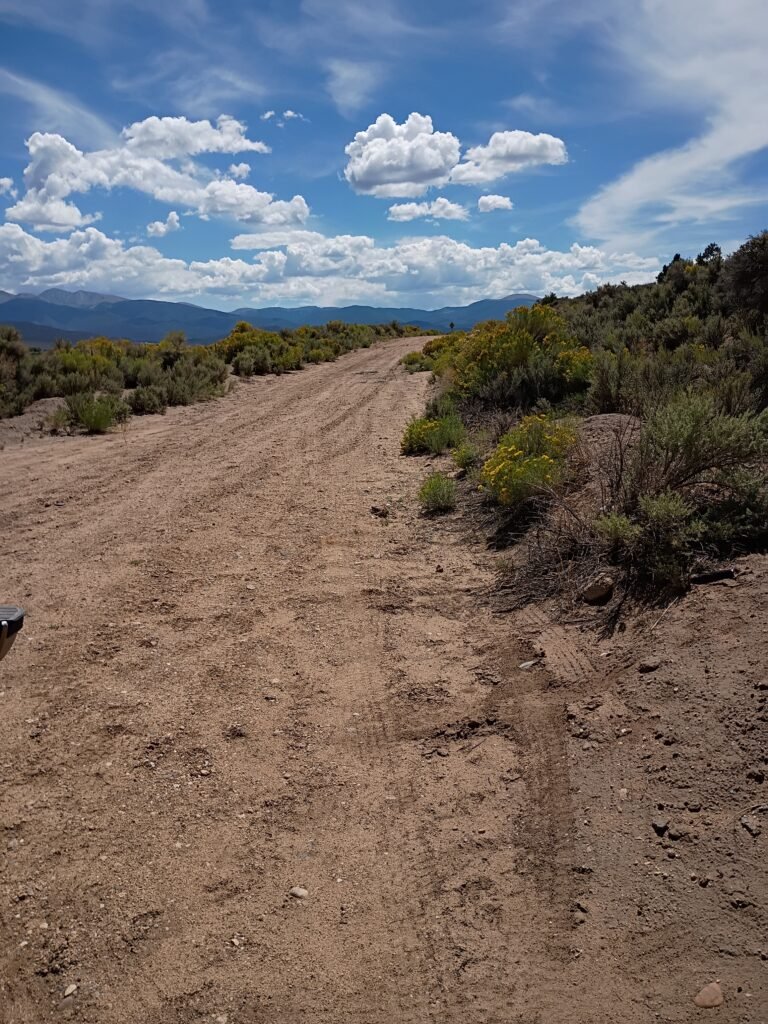
Land Loans vs. Seller Financing
The biggest difference between land loans vs seller financing is who provides the financing.
With a traditional land loan, a financial institution lends you the money to purchase the property. You then make payments to the lender according to the loan terms.
With owner financing, the seller provides the financing arrangement directly. This can sometimes make the purchasing process more flexible because the buyer and seller can negotiate terms rather than following a bank’s standard loan requirements.
For buyers who have difficulty qualifying for traditional financing, seller financing may provide another path toward land ownership. A buyer may also appreciate the convenience of dealing directly with the seller instead of completing a conventional lending process.
However, owner financing should not be viewed as automatically cheaper or easier. The terms vary from property to property, so buyers should compare the total cost rather than focusing only on the down payment or monthly payment.
What Should You Consider Before Choosing?
Your financial situation is an important part of the decision. If you have strong credit, stable income, and enough money for the required down payment, you may qualify for traditional land financing.
If you prefer a more direct purchasing process or are having difficulty qualifying for a conventional land loan, owner financing may be worth exploring when a seller offers it.
The property itself also matters. Some types of raw land can be more difficult to finance through traditional lenders, particularly remote acreage or property without established infrastructure.
Before committing to either option, look at the complete cost of the purchase. Consider the down payment, monthly payment, interest, loan or financing term, closing costs, taxes, and any other expenses associated with owning the property.
A payment that looks affordable each month may cost significantly more over a longer repayment period, so understanding the total financial commitment is important.
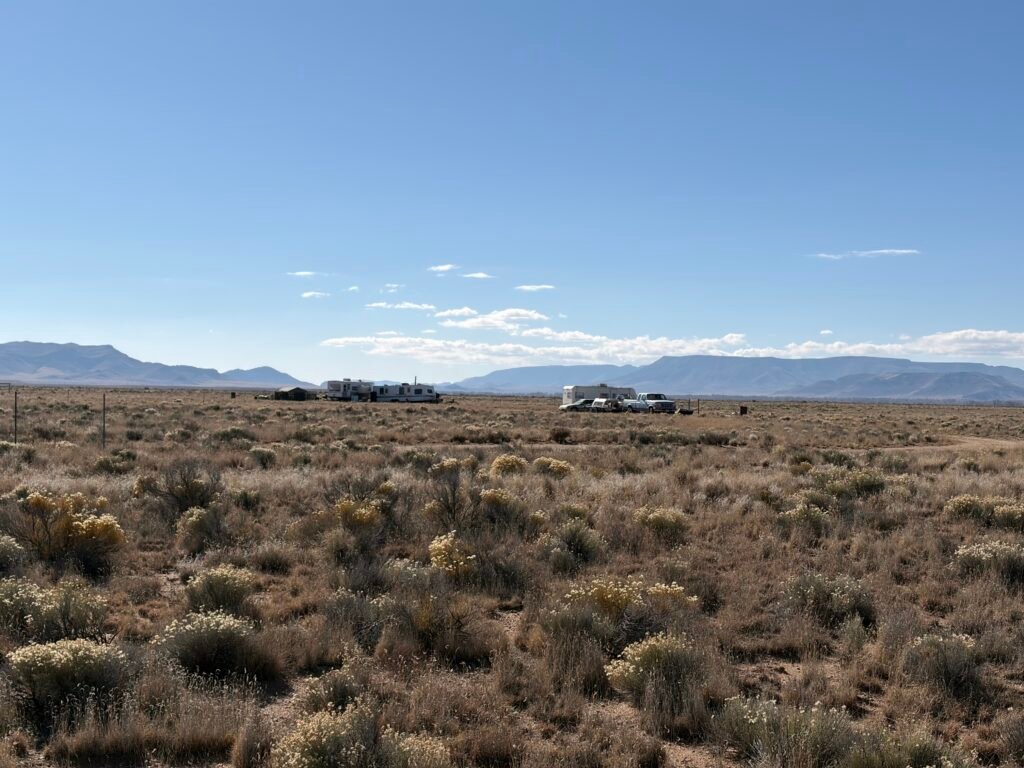
Make Sure the Land Fits Your Plans
Financing should not be the only thing you investigate. Before purchasing raw land, make sure the property itself is suitable for what you want to do with it.
Check the zoning requirements and confirm whether your intended use is permitted. If you want to build a home, cabin, or other structure in the future, research the applicable requirements before purchasing.
You should also investigate road access, water availability, electricity, septic options, property taxes, easements, and other restrictions that could affect the property.
This is especially important with rural acreage. A property may have an attractive purchase price, but bringing utilities to the land or improving access could add significant costs.
Read the Financing Agreement Carefully
Whether you choose a bank loan or owner financing, make sure you understand the agreement before signing.
With owner financing, pay particular attention to how ownership and title are handled, what happens if a payment is missed, whether you can pay the balance early, and what happens once the property has been fully paid.
For a major purchase such as land, it can be worthwhile to have the agreement reviewed by a qualified real estate attorney or other appropriate professional. Understanding the contract before you sign can help prevent confusion later.
Find the Financing Option That Fits Your Land Purchase
There is no single financing arrangement that works for every land buyer. Traditional loans and owner financing each have different requirements and structures.
A bank loan may provide a conventional financing process for qualified buyers, while owner financing can provide an alternative for buyers looking for more flexible purchasing arrangements. The best approach is to compare the actual terms available for the property you want to purchase.
If you are searching for raw land financing, take your time to understand your options, research the property, and choose a payment arrangement that fits comfortably within your budget.
For buyers interested in affordable acreage, owner financing can make the path to land ownership more straightforward when the seller offers suitable terms. Instead of assuming that a traditional mortgage is your only option, explore the different raw land buying options available and find a property that works for your goals and your budget.
With the right property and clear financing terms, purchasing raw land can be a practical step toward owning your own piece of property.
Frequently Asked Questions
What is raw land financing?
Raw land financing is a way to pay for undeveloped property without paying the entire purchase price upfront. Financing may come from a traditional bank or directly from the seller through owner financing. The available terms and requirements depend on the lender, seller, property, and buyer’s financial situation.
What is the difference between a land loan and owner financing?
A traditional land loan is provided by a bank or other financial institution, while owner financing is arranged directly between the buyer and seller. With owner financing, the parties agree on details such as the down payment, monthly payments, repayment period, and interest rate if applicable.
Can I buy raw land without getting a bank loan?
Yes, if the land seller offers owner financing, you may be able to purchase the property without obtaining a traditional bank loan. The seller and buyer establish the financing terms directly. Before signing, carefully review the agreement to understand the payment schedule, ownership terms, and other responsibilities.
Is owner financing easier to qualify for than a traditional land loan?
Owner financing may have different qualification requirements from a traditional bank loan, but there is no standard requirement for every seller. Some sellers may offer more flexible terms, while others may have their own requirements for down payments, income, credit, or monthly payments. Always ask the seller about the specific terms available for the property.
What should I check before choosing land financing?
Compare the down payment, monthly payment, interest rate, repayment period, closing costs, property taxes, and total amount you will pay. You should also research the land’s zoning, road access, utilities, water availability, easements, and other restrictions. Carefully reviewing both the property and financing agreement can help you understand the full cost of the purchase.