
Buying land in Colorado can be an exciting step, especially when you are looking for more space, privacy, and a quieter lifestyle. The San Luis Valley is one of the areas that attracts buyers who want to experience rural Colorado without living in a crowded city or expensive resort community.
Before buying property, however, it helps to understand what everyday life is like in the area. San Luis Valley real estate offers opportunities for different types of buyers, but rural land ownership also comes with responsibilities. From weather and utilities to nearby communities and road access, there are several things new landowners should consider.
Understanding the San Luis Valley
The San Luis Valley is a large high-elevation valley in southern Colorado. It includes several communities and counties, each with its own character. The area is known for wide-open landscapes, mountain views, agricultural land, and access to outdoor recreation.
Unlike Colorado’s larger cities, the San Luis Valley has a more rural feel. You may find fewer large shopping centers, restaurants, and other city conveniences. At the same time, many people appreciate the slower pace and additional space that rural living can provide.
When looking at San Luis Valley real estate, think about what type of lifestyle you want. A property that works well for a weekend retreat may not provide everything you need for full-time living.
What to Know Before Moving to San Luis Valley
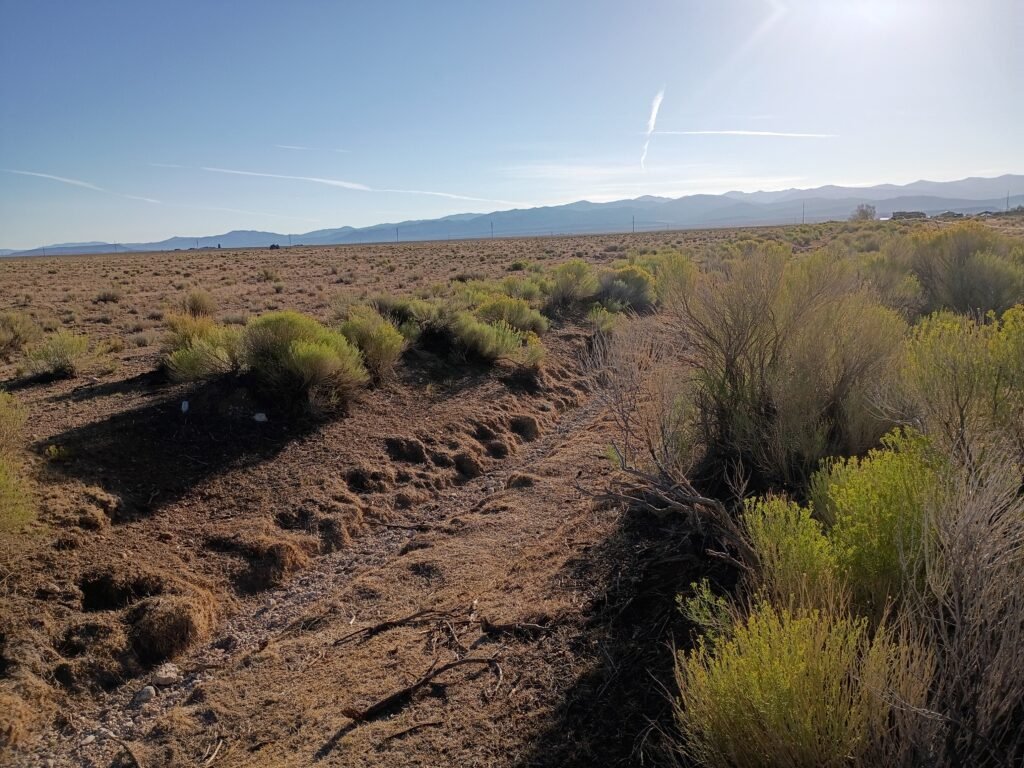
Moving to San Luis Valley can be a major lifestyle change if you are coming from a city or suburb. You may have more privacy and open space, but you may also need to travel farther for certain services.
Before choosing a property, check the distance to grocery stores, medical facilities, schools, gas stations, and other services that matter to you. A property that looks perfect online may feel very different once you consider the drive to town.
Internet and cell service are also worth checking before you buy. Service can vary between locations, especially on rural parcels. If you plan to work from home, make sure the property can support your internet needs.
Understanding Costilla County Living
Costilla County is one of the rural areas within the San Luis Valley and has attracted buyers looking for affordable land and a quieter environment. Costilla County living can appeal to people who want more room and fewer neighbors.
The county has a rural character, so buyers should understand that not every property will have the same access to utilities or services. Some parcels may require private solutions for water, wastewater, electricity, or other basic needs.
That does not necessarily make rural property unsuitable. It simply means you need to understand the property before purchasing it. Ask questions about access, utilities, zoning, property taxes, and any restrictions that could affect your plans.
Considering Blanca CO Land
The community of Blanca is another area buyers may encounter while searching for property in southern Colorado. Blanca CO land can provide opportunities for buyers who want acreage, mountain views, and a rural setting.
Blanca is located near the Sangre de Cristo Mountains, giving the surrounding area a distinctive landscape. Buyers interested in the area may be looking for a future homesite, recreational property, or land that they can hold for the long term.
However, every parcel is different. Do not assume that a property can automatically support a house, RV, well, septic system, or other improvements. Check the local requirements and property-specific information before making plans.
Rural Living Comes With More Independence
One of the biggest differences between city life and southern Colorado rural living is the level of independence you may need.
On a rural property, you may have more responsibility for things that a city normally handles. Road conditions, snow removal, water systems, septic maintenance, heating, and other property needs can require planning.
Winter weather is another important consideration. The San Luis Valley sits at a high elevation, and temperatures can become very cold. New landowners should think about heating, insulation, winter access, and how they will handle snow and icy roads.
Planning for these conditions before buying can make rural living much easier.
Think About Water and Utilities
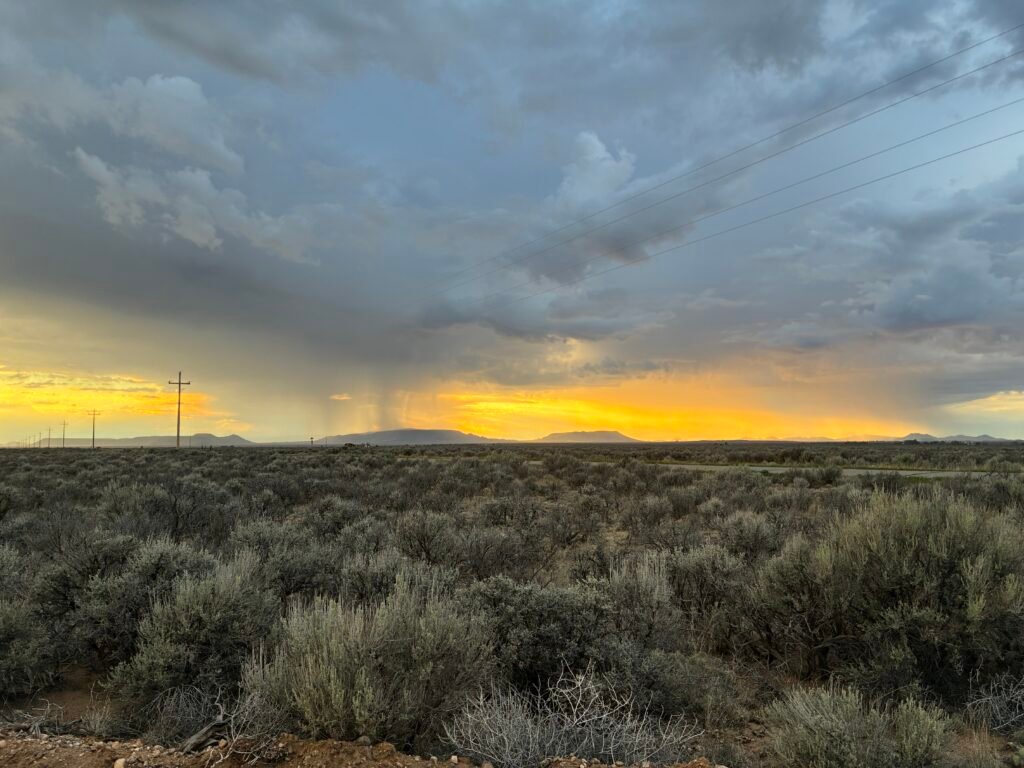
Water is one of the most important things to investigate when buying rural land. Do not assume that a property has a readily available water connection simply because nearby homes have water.
Depending on the location and property, you may need to investigate wells, water rights, septic systems, or other options. Local rules can also affect what you can install or use.
Electricity is another consideration. Some properties may have nearby power, while others may require additional work to connect to the electrical grid. Ask about these costs before purchasing so you can build a realistic budget.
Enjoying Life in the San Luis Valley
While rural living requires preparation, it can also offer a lifestyle that many buyers find appealing. The San Luis Valley provides access to wide-open spaces, mountain scenery, hiking, camping, wildlife, and other outdoor activities.
For people who enjoy spending time outside, having land in the area can create opportunities that are harder to find in a busy city. You may enjoy sitting outside under a clear night sky, exploring nearby trails, or simply having more room around your property.
The slower pace can also be attractive to people who want to step away from crowded neighborhoods and busy city life.
Research Your Property Before You Buy
The most important step for any new landowner is research. A beautiful view and affordable price are only part of the decision.
Before buying, review the property’s legal description, access, zoning, taxes, utilities, water situation, and any recorded restrictions. Consider how you plan to use the property and confirm that your plans fit local requirements.
It can also help to visit the property in person. Photos may not show road conditions, surrounding properties, elevation changes, or the actual distance to nearby services.
Is San Luis Valley Living Right for You?
San Luis Valley real estate can offer a different approach to Colorado land ownership. Buyers may find more open space, rural communities, and opportunities to own acreage without living in a major city.
Whether you are considering moving to San Luis Valley, exploring Costilla County living, looking at Blanca CO land, or simply researching southern Colorado rural living, take time to understand what life on the property will actually involve.
The right land can give you space to enjoy the outdoors and build plans for the future. The key is to choose a property that matches your budget, lifestyle, and long-term goals. With careful research and realistic expectations, buying land in the San Luis Valley can be the beginning of a rewarding new chapter.
Frequently Asked Questions
What is it like living in the San Luis Valley?
Living in the San Luis Valley offers a rural lifestyle with open spaces, mountain scenery, and access to outdoor recreation. However, some services and amenities may be farther away than they are in larger cities, so buyers should consider travel distances before choosing a property.
What should I know before moving to the San Luis Valley?
Before moving to the San Luis Valley, consider access to grocery stores, medical facilities, schools, gas stations, internet, and cell service. You should also understand the property’s road access, utilities, weather conditions, and distance from nearby communities.
What should I know about Costilla County living?
Costilla County has a rural character and can offer more space and privacy. Depending on the property, buyers may need to plan for private water, wastewater, electricity, and other services. Research zoning, access, utilities, taxes, and property restrictions before purchasing.
What should I check before buying Blanca CO land?
Before buying land near Blanca, Colorado, check the property’s legal access, zoning, utilities, water situation, taxes, and applicable land-use requirements. Do not assume that every parcel can support a home, RV, well, or septic system without additional approvals or site-specific requirements.
What are the challenges of southern Colorado rural living?
Rural living can require more planning and independence. Landowners may need to manage issues such as winter weather, snow and road conditions, heating, water systems, septic maintenance, and utility access. Understanding these responsibilities before buying can help you prepare for life on the property.