
When people think about the cost of owning land in Colorado, they often focus on the purchase price. But the yearly cost of keeping the property matters too. Property taxes, maintenance, utilities, and other expenses can all affect your long-term budget.
For buyers considering rural land in southern Colorado, Costilla County property tax can be an important part of the decision. Some vacant land parcels in the county may have annual property tax bills under $150. However, the exact amount depends on the property’s assessed value, tax rates, and other factors.
Understanding how property taxes work can help you estimate the true cost of owning rural acreage.
Why Are Some Costilla County Property Taxes So Low?
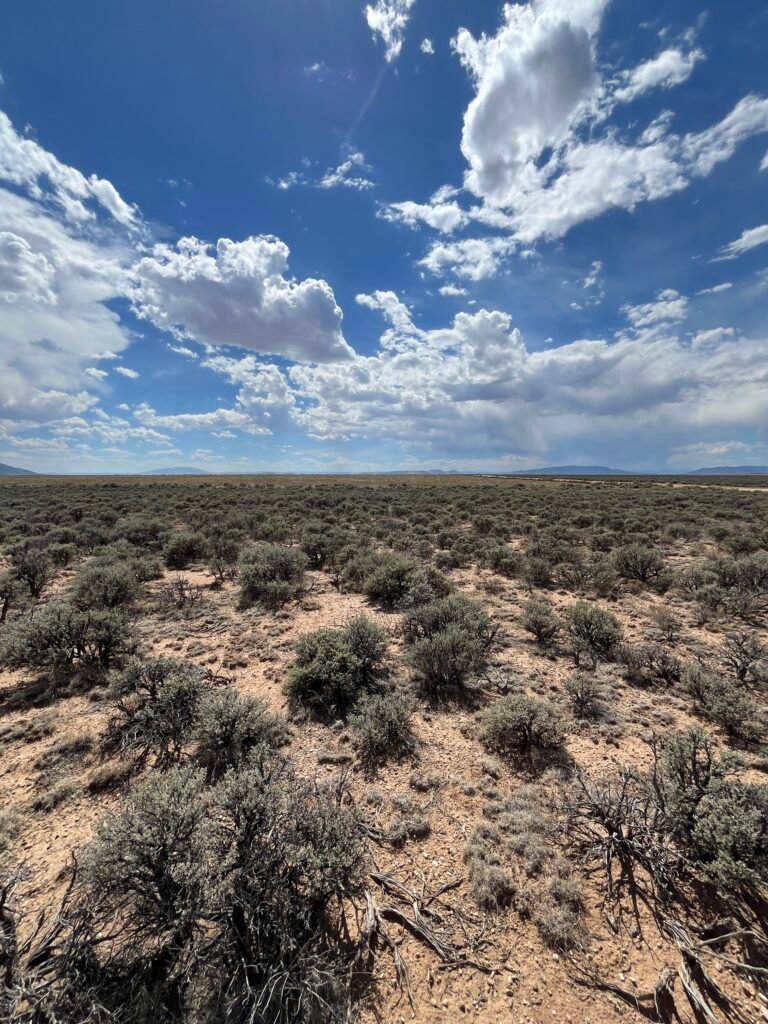
Costilla County has a large amount of rural and undeveloped land. Vacant land generally does not have the same taxable improvements as a developed property with a house, garage, or other structures.
The county assesses property based on applicable Colorado assessment rules, and the property’s characteristics can affect its taxable value. A vacant parcel without buildings may therefore have a relatively low annual tax bill.
This is one reason buyers sometimes find cheap property tax land in rural areas. The purchase price may be affordable, and the annual tax obligation may also remain relatively modest.
Still, buyers should never assume that every parcel has the same tax bill. Two properties in the same county can have different assessments and different annual taxes.
Understanding Colorado Vacant Land Taxes
If you are considering Colorado vacant land taxes, it helps to separate the land’s purchase price from its annual ownership costs.
Vacant land usually does not generate the same expenses as an improved property. There may be no house to insure, no heating system to maintain, and no large structure requiring regular repairs. Depending on the property, this can make land ownership simpler from a maintenance perspective.
Property taxes still apply, though. The county sends property tax bills based on the property’s assessment and applicable tax rates. You should review the current tax information for the specific parcel before buying.
If a listing shows an annual tax amount below $150, treat that number as an estimate for that particular property rather than a promise that your future bill will always remain below $150.
What Determines Your Property Tax Bill?
Several factors can influence the amount you pay each year. The property’s assessed value is one of the most important factors. Changes in assessment or applicable tax rates can affect the final bill.
The property’s classification and improvements can also matter. Raw land and land with buildings may have different tax considerations.
This is why buyers should look at the actual county property record instead of relying only on a general estimate. Checking the current tax history can give you a clearer picture of what the property has cost to hold in recent years.
Taxes can also change over time. A low bill today does not guarantee the same bill several years from now.
Low Property Taxes Can Reduce Your Holding Costs
One advantage of affordable rural land can be its relatively low ongoing cost. If you purchase a small vacant parcel and do not immediately develop it, your regular expenses may remain limited.
This is where holding costs rural acreage becomes important. Holding costs are the expenses you continue to pay while you own a property. Property taxes are one part of those costs.
Depending on the property, you may also have expenses related to road access, land maintenance, insurance, surveying, improvements, or other services. Some parcels may have very few ongoing expenses, while others may require more planning.
Before buying, calculate the expected annual costs instead of looking only at the purchase price.
Why Rural Land Can Be Different From a Home
Owning a house usually comes with many ongoing expenses. You may have utility bills, repairs, insurance, landscaping, heating, and other maintenance costs.
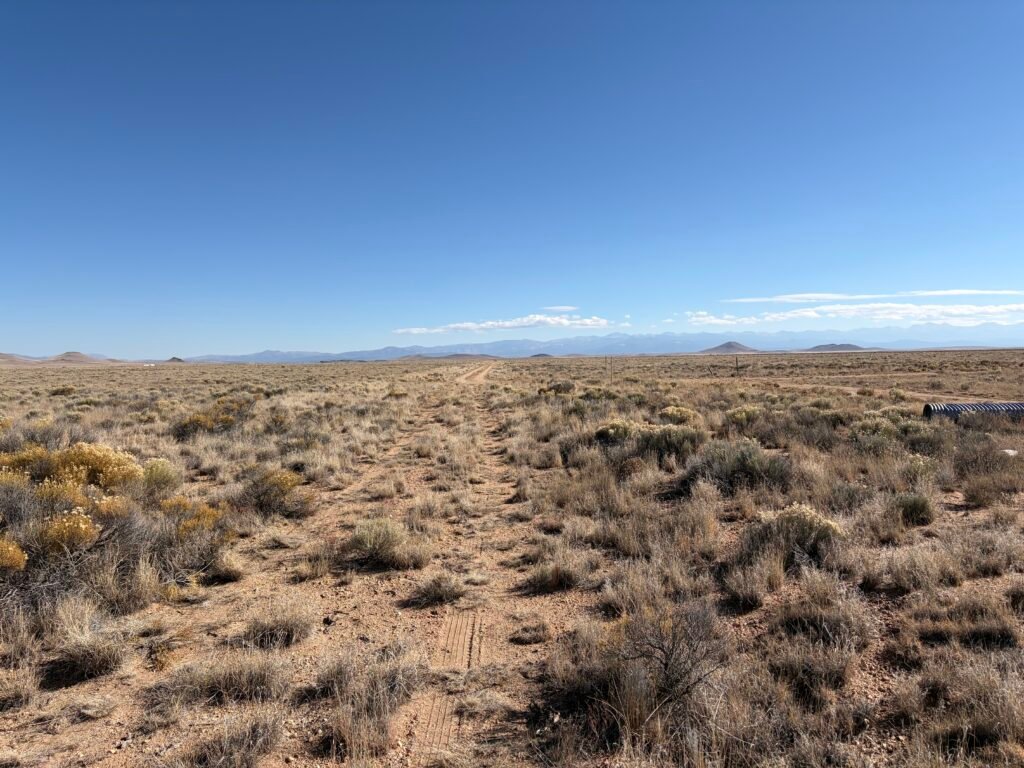
Vacant land can be different. If the property has no buildings or utilities, you may have fewer monthly expenses. That can make it easier for some buyers to hold land for future plans.
For example, a buyer may purchase acreage now and wait several years before deciding whether to build, use it recreationally, or sell it. During that period, the property taxes may be one of the main recurring costs.
The actual situation depends on the parcel, so always review the property’s records before making a purchase.
Is Colorado a Low-Tax State for Land?
People sometimes search for low tax states for land when comparing different locations. However, comparing states based only on property tax rates can be misleading.
The total cost of owning land depends on more than the tax rate. Property value, assessment rules, local taxes, insurance, maintenance, utilities, and other expenses can all affect your overall cost.
Instead of asking only whether a state has low property taxes, consider the complete cost of owning the specific property you want to buy.
For a buyer interested in rural Colorado, Costilla County can be worth researching because some vacant parcels have relatively low annual property tax bills.
Check the Tax Bill Before Buying
Before purchasing land, ask for the property’s current tax information. You can use the parcel number or legal description to verify the property record and review the current assessment and tax history.
This step is especially important if a seller advertises a very low annual tax amount. Confirm the number yourself and find out whether the amount applies to the exact parcel you are considering.
You should also ask whether the property has any outstanding taxes, liens, or other charges that could affect the transaction. A title company or qualified real estate professional can help you review these issues during the purchase process.
A Low Annual Tax Bill Can Make Land Easier to Hold
For buyers interested in affordable acreage, the annual cost of ownership matters just as much as the purchase price. A parcel with a modest property tax bill can be easier to hold while you decide what you want to do with the land.
That is one reason Costilla County property tax deserves attention when comparing rural land opportunities. Some vacant parcels may have annual taxes under $150, but buyers should verify the current amount for each property.
If you are looking for affordable land in Colorado, consider the complete financial picture. Review the purchase price, current taxes, access, utilities, zoning, and other potential costs before making your decision.
A low tax bill can be helpful, but the best property for you is one that fits both your budget today and your plans for the future.
Frequently Asked Questions
How much are property taxes in Costilla County?
Property taxes vary depending on the property’s assessed value, classification, applicable tax rates, and other factors. Some vacant land parcels may have annual tax bills under $150, but buyers should verify the current tax amount for the specific property.
Why can Costilla County property taxes be so low?
Some rural parcels are vacant and undeveloped, meaning they may not have houses, garages, or other improvements that can affect taxable value. The actual tax bill depends on the property’s assessment and applicable local taxes.
Do vacant land properties in Colorado have property taxes?
Yes, vacant land can be subject to property taxes. The amount depends on the property’s assessed value, classification, and applicable tax rates. Buyers should review the current tax record for the exact parcel before purchasing.
What other costs should I consider when buying rural acreage?
Property taxes are only one part of the total cost of owning rural land. Depending on the property, buyers may also need to consider road access, utilities, insurance, maintenance, surveying, improvements, and other property-related expenses.
How can I check the property tax before buying land in Costilla County?
Ask for the property’s parcel number or legal description and review the current county property record and tax history. Confirm that the tax amount applies to the exact parcel you are considering, and check for any outstanding taxes or other charges before completing the purchase.