
Buying land through owner financing can make property ownership more accessible for buyers who do not want to go through a traditional bank. Instead of paying the full purchase price upfront, you may be able to make a down payment and then pay the remaining balance through monthly installments.
But what happens if your financial situation changes and you want to pay off the land early? Can you simply pay the remaining balance and become the full owner of the property, or could the seller charge you an additional fee?
The answer depends largely on the financing agreement you signed. Understanding your owner financed land payoff options before purchasing can help you know what to expect and avoid surprises later.
What Is an Owner-Financed Land Payoff?
An owner-financed land payoff occurs when a buyer pays the remaining balance on a seller-financed land purchase before the original payment schedule ends.
For example, imagine you purchase a parcel of land for $30,000 and agree to make monthly payments over several years. After making payments for two years, you receive a large amount of money and decide to pay the remaining balance.
If your agreement allows early payoff, you may be able to pay the outstanding principal and any applicable charges and complete the financing ahead of schedule.
Once the financial obligations have been satisfied, the next step depends on how the transaction was structured. The seller may need to provide documentation showing that the debt has been satisfied and complete any required steps to transfer or release the seller’s interest in the property.
Check the Seller Financing Terms Before You Buy
The most important thing to understand is that early payoff rights are determined by the agreement and applicable law.
Before signing a seller-financed land contract, carefully review the seller financing terms. Look for language explaining whether you can pay the balance early and whether the seller can charge a fee for doing so.
Some agreements may allow the buyer to pay off the balance at any time without an additional charge. Other agreements may contain specific conditions or fees associated with early repayment.
Do not assume that every owner-financed land purchase works the same way. The terms can vary between sellers, properties, and agreements.
If the contract is unclear, ask questions before signing. For a significant real estate transaction, having a qualified professional review the agreement can also help you understand your rights and responsibilities.
What Is a Prepayment Penalty on a Land Contract?
A prepayment penalty land contract provision is a term that may require the buyer to pay an additional amount if the financed balance is paid before a specified date.
The purpose and legality of a prepayment provision can depend on the contract, the type of transaction, and applicable state law. Some seller-financed agreements may have no prepayment penalty at all, while others may contain specific conditions.
This is why buyers should look carefully at the financing documents before assuming that early payoff will always be free.
If you are planning to purchase land with the intention of paying it off early, consider discussing that goal with the seller before completing the transaction. You may be able to negotiate terms that clearly allow early repayment.

Why Would You Want to Pay Off Raw Land Early?
There are several reasons a land buyer may want to complete the purchase ahead of schedule.
You may receive an inheritance, bonus, business income, or other funds that allow you to eliminate the remaining balance. Paying off the financing can also reduce the amount of interest you pay over time if interest is charged on the outstanding balance.
Some buyers simply prefer owning their property free and clear rather than continuing to make monthly payments.
For someone paying off raw land early, the first step should be contacting the seller or financing party and requesting an accurate payoff amount. Do not simply send what you believe is the remaining balance. The official payoff amount may include accrued interest or other amounts required under the agreement.
Ask for a Written Payoff Statement
When you decide to pay off your land financing, request the payoff information in writing.
A payoff statement should identify the amount required to satisfy the outstanding obligation as of a specific date. It can help you understand exactly how much you need to pay and prevent confusion about whether the account has been fully satisfied.
If your financing agreement includes interest, the payoff amount may differ from simply adding up the remaining monthly payments.
Once the payoff has been made, keep copies of your payment confirmation, receipts, and other relevant documents.
What Happens to the Deed After Payoff?
One of the most important parts of an owner financed land payoff is making sure the ownership paperwork is properly completed.
The exact process depends on how the original transaction was structured. If the seller retained legal title during the financing period, the seller may need to complete the required deed transfer after the buyer satisfies the contract.
If the buyer already received the deed and the seller’s financing was secured by a lien or other security instrument, the appropriate release or satisfaction documents may need to be recorded.
The goal is to make sure the public property records accurately reflect the buyer’s ownership and that the seller’s security interest has been properly released when the debt is paid.
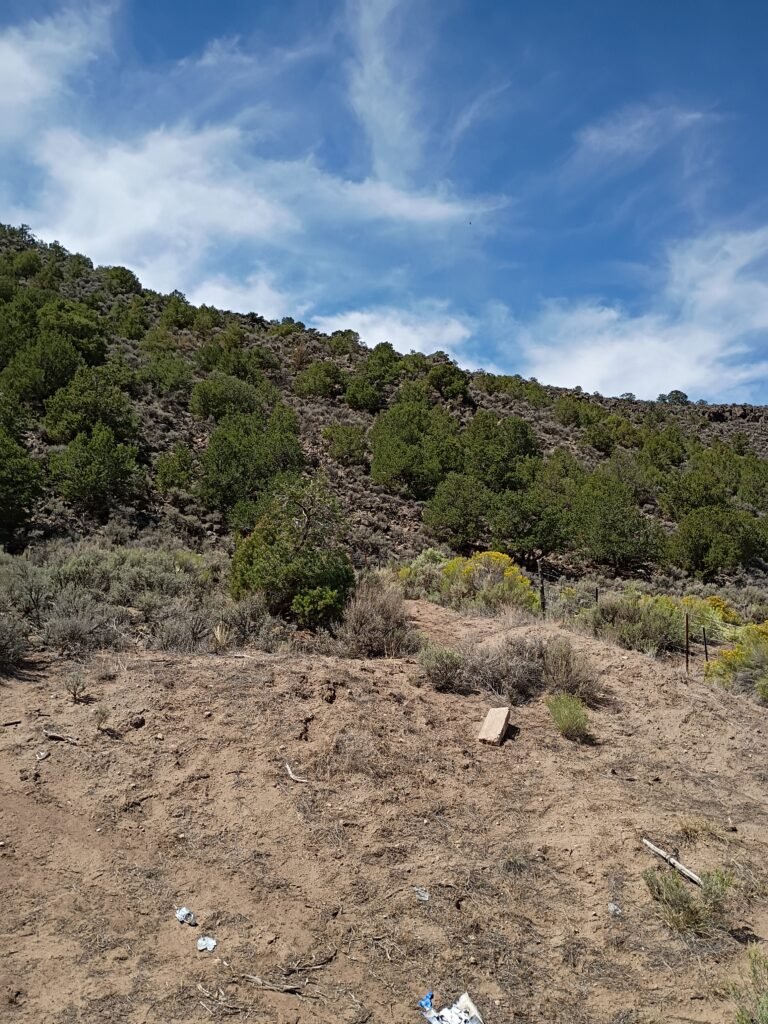
Make Sure You Receive Clear Deed Title
Paying the final payment is an important milestone, but you should also make sure the ownership records are properly updated.
Obtaining clear deed title generally means making sure the seller’s financial interest has been properly released and the ownership documents accurately reflect the completed transaction.
Depending on the transaction, a title company or real estate professional may be able to assist with recording the necessary documents.
Keep your final payment receipt, payoff statement, deed, release documents, and other transaction records in a safe place.
Plan for Early Payoff Before Signing
If early ownership is part of your plan, it is worth discussing it before you purchase the land.
Ask whether there is a prepayment penalty, how the payoff amount is calculated, and what documents you will receive after the balance is paid. Make sure the answers are reflected in the written agreement rather than relying on a verbal promise.
Understanding these details from the beginning can make the eventual payoff process much easier.
Pay Off Your Land With Confidence
An owner-financed land purchase does not necessarily require you to follow the original payment schedule until the final month. Depending on your agreement, you may be able to complete an owner financed land payoff early.
The key is to understand your seller financing terms, check for any prepayment provisions, request an official payoff statement, and make sure the appropriate ownership documents are completed after the balance is satisfied.
If your goal is paying off raw land early, planning ahead can help you avoid unnecessary costs and paperwork problems. Once the final payment has been made and the necessary deed or release documents have been properly handled, you can move forward knowing that your land ownership records accurately reflect the completed purchase.
Frequently Asked Questions
Can I pay off an owner-financed land loan early?
In many cases, early payoff may be possible, but it depends on the seller financing agreement and applicable law. Review the contract to see whether early repayment is allowed and whether any additional fees or conditions apply.
Is there usually a prepayment penalty on a land contract?
A prepayment penalty depends on the terms of the specific land contract. Some seller-financed agreements allow early payoff without a penalty, while others may include specific fees or conditions. Always check the financing documents before making an early payment.
How do I get an owner financed land payoff amount?
Contact the seller or financing party and request a written payoff statement. The statement should show the amount needed to satisfy the balance as of a specific date, including any applicable interest, fees, or other amounts required under the agreement.
What happens to the deed after I pay off the land?
The process depends on how the original financing was structured. If the seller retained legal title, the seller may need to complete the deed transfer. If the buyer already received the deed, a release or satisfaction of the seller’s security interest may need to be recorded.
How can I make sure I have clear deed title after payoff?
After paying the balance, make sure the required deed, release, or satisfaction documents are properly completed and recorded. Keep your payoff statement, final payment receipt, deed, and other transaction records. A title company or qualified real estate professional can also help confirm that the ownership records are properly updated.