
The idea of owning your own land and living independently has become increasingly appealing to people who want more privacy, fewer monthly expenses, and a closer connection to nature. For some buyers, off grid land Colorado offers an opportunity to turn that idea into a long-term lifestyle.
Living off the grid does not mean you have to disconnect from the modern world completely. It means creating a property that can operate with less dependence on public utilities and traditional infrastructure. You may generate your own electricity, manage your own water, use alternative heating, and handle wastewater through an appropriate system.
If you are new to the idea, the process can seem complicated. This beginner’s roadmap will help you understand the major steps before you buy land or start building your off-grid setup.
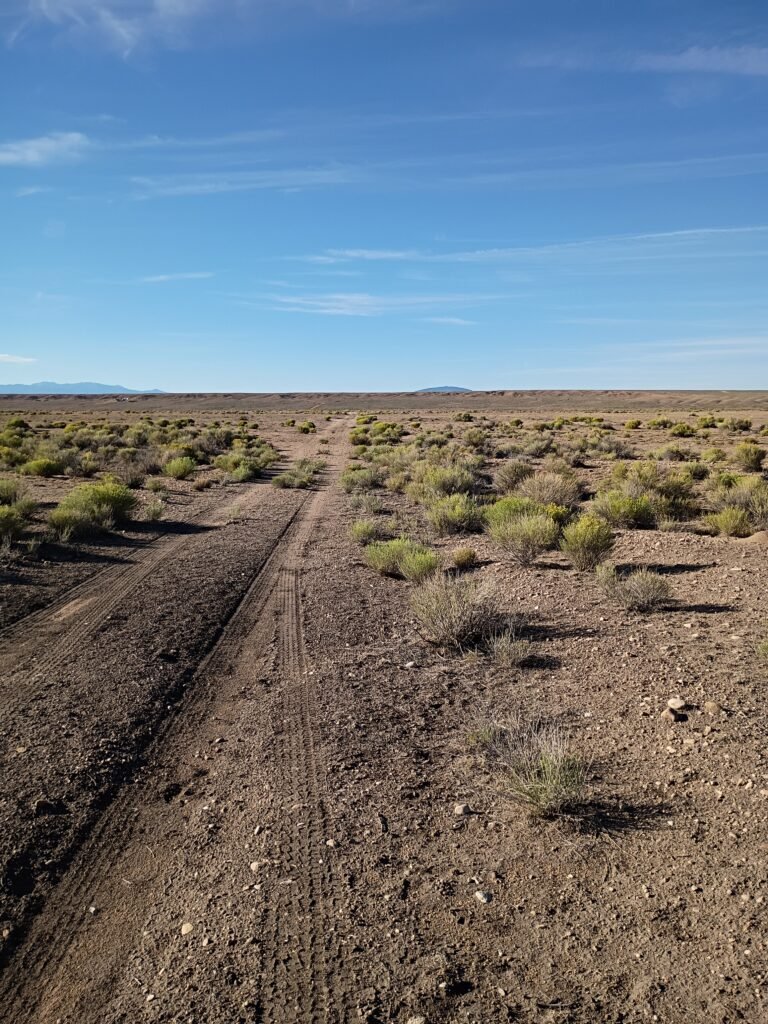
What Does Off-Grid Living Mean?
Off-grid living means operating a home or property without relying entirely on public utility systems. Instead of depending on a standard electrical connection, municipal water, and public sewer, an off-grid property may use systems such as solar power, wells, water storage, septic systems, propane, or other alternatives.
The exact setup depends on your location, property, budget, and lifestyle.
Some people want a completely self-sufficient property. Others simply want to reduce their dependence on utilities while maintaining some modern conveniences.
For off grid living for beginners, the most important lesson is to start with realistic expectations. An off-grid property still requires planning, maintenance, and ongoing expenses.
Choose the Right Land First
Your land is the foundation of your entire off-grid plan. Before purchasing a parcel, research the property carefully.
If you are considering off grid land Colorado, look at factors such as road access, terrain, water availability, sunlight, weather, zoning, and local regulations.
A beautiful piece of remote land may look perfect online but create challenges once you start planning your homestead. Steep terrain can make construction difficult. Limited road access can make deliveries and maintenance harder. Heavy tree cover can also affect solar power production.
Visit the property whenever possible. Walk the land and examine the surrounding area before making a purchase.
Understand Water Options
Water should be one of your first priorities when planning an off-grid property. You need a reliable and legal way to obtain, store, and use water.
Depending on the property and local rules, possible options may include a private well, water storage, rainwater collection, or other approved systems.
Do not assume that you can install any water system you want. Colorado has specific rules related to water use and rights, so research the requirements for your particular property before purchasing.
A reliable water plan is essential for drinking, cooking, cleaning, gardening, and other everyday needs.
Plan Your Power System
Electricity is another major part of learning how to live off grid.
Solar power is a common option for off-grid properties because it can generate electricity without requiring a connection to the utility grid. A typical system may include solar panels, batteries, an inverter, and other equipment.
Your system needs to match your actual energy usage. A small setup may work for basic lighting and essential devices. A larger home with appliances, heating equipment, tools, and other electrical loads will require more capacity.
Start by estimating your daily electricity needs. Then determine how much solar generation and battery storage you may need.
You may also want a backup power source for extended periods of bad weather or unusually high energy use.
Create a Wastewater Plan
An off-grid property still needs a safe way to manage wastewater. In many rural locations, a septic system may provide a solution, but requirements vary by location.
Before purchasing land, research whether the parcel can support the type of wastewater system you plan to use. Soil conditions, property size, setbacks, and local regulations can all affect your options.
Do not wait until after buying land to investigate this issue. A property may have plenty of space but still present challenges for installing an approved wastewater system.
Build Your Self-Sufficient Land Setup Slowly
A self sufficient land setup does not need to happen all at once. In fact, starting small can make the process easier and more affordable.
Begin with the systems you need most. You might first focus on water, shelter, electricity, and basic sanitation. Once those systems work reliably, you can add features such as gardens, food storage, workshops, greenhouses, or additional renewable energy.
This approach allows you to learn how your property works before making larger investments.
You should also keep money available for repairs and unexpected expenses. Off-grid systems require maintenance, and equipment can eventually need replacement.
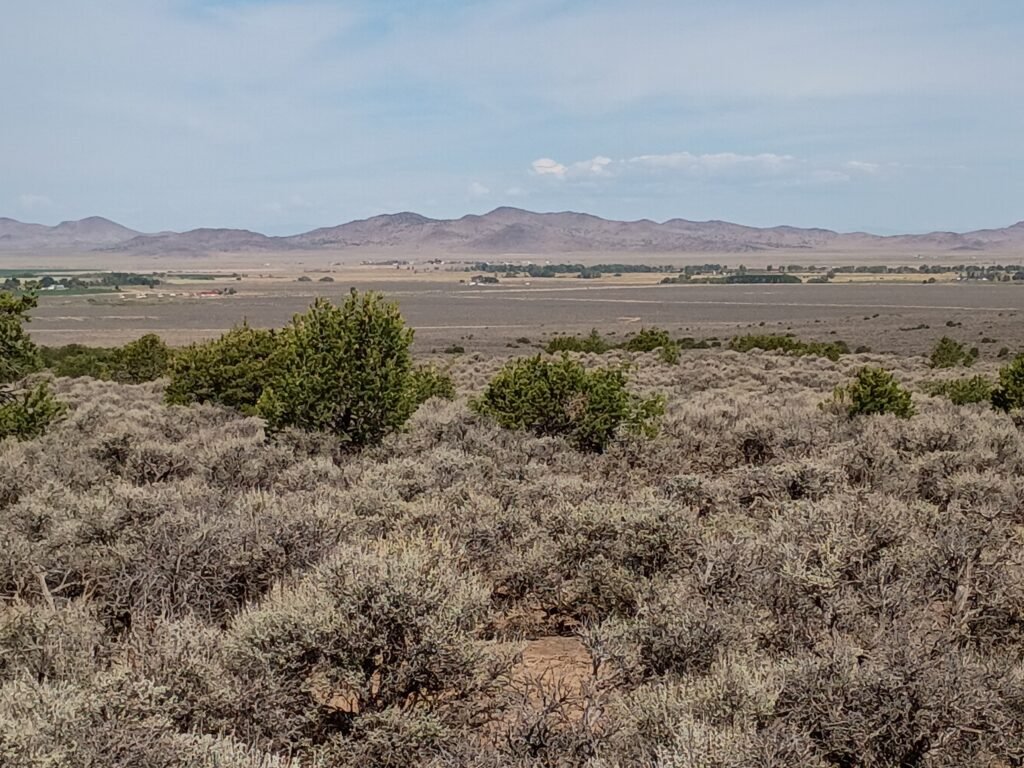
Prepare for Colorado’s Weather
Colorado’s climate can create unique challenges for off-grid landowners. Depending on the location and elevation, you may experience cold winters, snow, strong winds, and significant temperature changes.
Your shelter should match the local climate. Proper insulation, efficient heating, and winter water protection can make a major difference.
Road access also matters. A remote property may become harder to reach during winter weather. Before buying land, understand how the roads are maintained and whether you can reach the property throughout the year.
Learn the Rules Before You Build
One of the biggest mistakes beginners can make is assuming that owning land means they can build or install anything they want.
Local zoning rules, building requirements, water regulations, septic requirements, and other restrictions may apply. These rules can vary between counties and properties.
If you plan to build a cabin, install utilities, park an RV, keep livestock, or use the property for another specific purpose, verify the applicable rules before making major purchases.
Professional advice can also help when you are unsure about legal, building, water, or septic requirements.
Start With a Realistic Budget
An off grid homesteading guide should always include the financial side of the lifestyle.
Buying inexpensive land does not automatically make the entire project inexpensive. You may need to budget for solar equipment, batteries, water systems, septic installation, building materials, tools, road improvements, heating, and ongoing maintenance.
Create a complete budget before purchasing land. Include both the initial setup and the costs you expect to pay each year.
It is better to start with a simple system you can afford than to take on a large project that becomes difficult to maintain.
Is Off-Grid Living Right for You?
Off-grid living can provide greater independence, privacy, and a closer connection to the land. But it also requires preparation and responsibility.
If you are researching off grid land Colorado, start by finding property that matches your plans. Then investigate water, power, wastewater, access, zoning, weather, and total ownership costs.
For off grid living for beginners, the goal should not be to build everything immediately. Start with a solid plan, learn the property, and improve your setup over time.
With realistic expectations and careful preparation, owning your own land can give you the freedom to create a lifestyle that fits your goals.
Frequently Asked Questions
What does off-grid living mean?
Off-grid living means operating a home or property with less dependence on public utilities. Common systems can include solar power, private water sources, water storage, septic systems, propane, and other alternative solutions.
What should I look for when buying off grid land Colorado?
Look at road access, terrain, sunlight, water availability, zoning, local regulations, weather conditions, and the overall cost of developing the property. Visiting the land in person can also help you understand its practical challenges.
How do I get water on an off-grid property?
Depending on the property and local requirements, options may include a private well, water storage, rainwater collection, or other approved systems. Colorado water rules can be specific, so verify what is legally available for the particular parcel before buying.
How can I get electricity while living off grid?
Solar power is a common option for off-grid properties. A system may use solar panels, batteries, and an inverter. Your system should be sized according to your actual electricity needs, with backup power considered for periods of low solar production.
What should beginners budget for off-grid homesteading?
Besides the land purchase, budget for power systems, batteries, water, wastewater, shelter, heating, building materials, tools, road improvements, and ongoing maintenance. Creating a complete budget before buying land can help you avoid unexpected costs.