
Buying vacant land can give you more freedom, privacy, and space. But if the property sits in a rural area without public utilities, one question becomes important very quickly: How will you get water?
Water is one of the first things you should investigate before buying undeveloped property. A rural parcel may not have a public water connection, so you may need to consider alternatives such as a private well, a storage cistern, or delivered water.
The right option depends on your property, intended use, budget, and local regulations. Understanding your choices can help you plan your land purchase with fewer surprises.
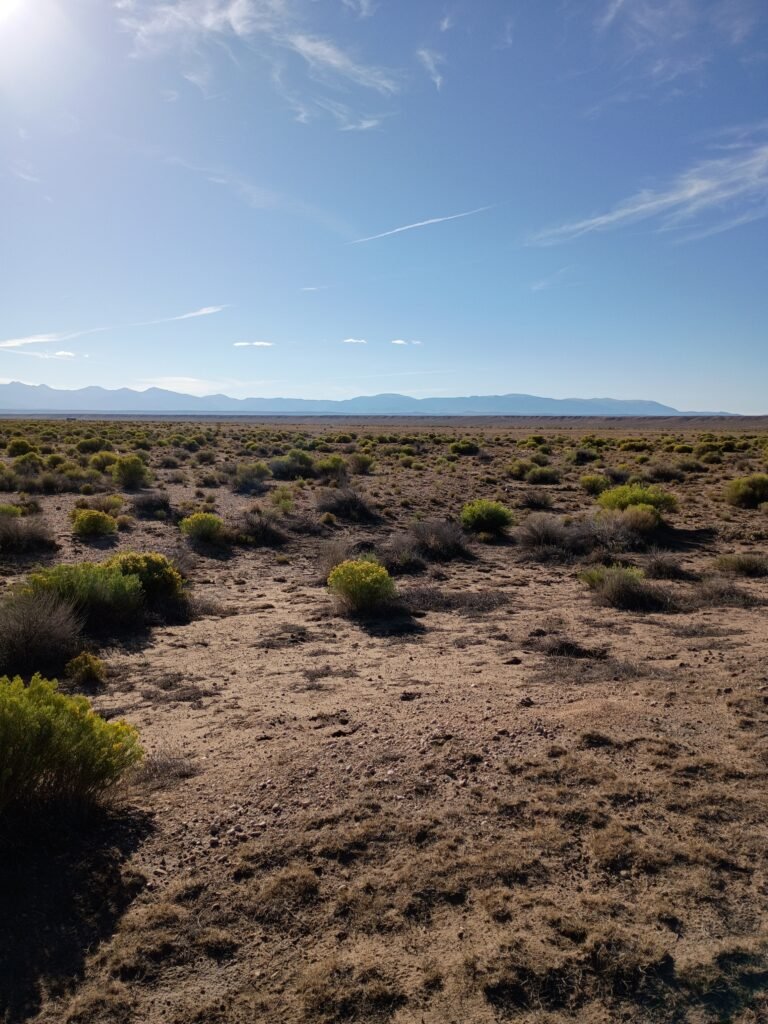
What Are Off-Grid Water Solutions?
Off grid water solutions are systems that provide water to a property without relying on a standard municipal water connection. They are common on rural properties, remote homesites, cabins, and off-grid homesteads.
The three options many landowners consider are wells, cisterns, and hauled water. Each approach has different costs, requirements, and maintenance needs.
Before choosing a system, research the rules that apply to your specific property. Water laws can vary by state and location, and Colorado has specific requirements involving wells and water rights.
Using a Private Well
A private well can provide a long-term water source for a rural property. A well contractor drills into the ground to reach an underground water source, then installs the necessary equipment to bring water to the surface.
For a full-time home, a well can be convenient because you do not need regular water deliveries. However, drilling does not guarantee that you will find water at a useful depth or in the quantity you need.
The potential well drilling cost Colorado buyers face can vary substantially. Depth, geology, location, drilling conditions, equipment, permits, and other factors can affect the total cost.
Because of that uncertainty, do not base your land budget on a simple statewide estimate. Investigate the specific property and local well conditions before assuming that a well will be affordable or practical.
Research Water Rights Before Drilling
A common mistake is assuming that owning land automatically gives you unlimited rights to groundwater.
Colorado has detailed water laws, and the type of well you can install and how you can use it may depend on the property’s location and the applicable permit.
Before purchasing land, investigate the property’s existing water rights and well permit situation. If you plan to drill a new well, confirm what the applicable requirements are.
A qualified water professional or real estate professional familiar with rural Colorado property can help you understand the issues that apply to the parcel.

Water Cisterns for Rural Properties
A cistern offers another solution when a traditional well is not practical or when you want to store delivered water.
A water cistern installation typically involves placing a large storage tank on or near the property. Water can then be delivered to the tank and stored for later use.
Cisterns can work well for rural properties with limited water access. They can also provide useful storage even when another water source exists.
The size of the cistern depends on your expected water use and how often you can arrange deliveries. A full-time household will generally need a different storage strategy than someone who visits a property occasionally.
Installation costs can also vary based on the tank, site preparation, plumbing, pumps, and other equipment.
Hauling Water to Your Property
Water hauling can be one of the simplest options for a vacant rural property. Instead of drilling a well, you arrange for water to be transported to your property and placed into a storage tank or cistern.
For buyers researching hauling water Costilla County, availability and pricing can depend on the property’s location and the local water-delivery providers.
This option can make sense for recreational land or properties that do not need large amounts of water every day. It can also work as a temporary solution while you develop the property.
However, hauling creates an ongoing expense. You need to pay for deliveries and make sure your storage capacity is large enough to cover the period between deliveries.
Rural Water Delivery and Daily Use
Rural water delivery works best when you understand how much water your household or property actually needs.
Drinking, cooking, bathing, laundry, cleaning, toilets, gardening, and livestock can all increase water consumption. The more people and activities your property supports, the more frequently you may need deliveries.
Before relying on hauled water, determine whether delivery services cover your area. Ask about delivery minimums, scheduling, emergency availability, and access requirements.
Your driveway and property roads should also be able to accommodate the delivery vehicle.
Which Water Option Costs Less?
There is no single answer because the total cost depends heavily on the property and how you use it.
A well can require a significant upfront investment but may provide a convenient long-term water source if drilling succeeds and the well meets your needs.
A cistern can require less initial infrastructure in some situations, but you will still need to purchase and install the tank. You will also need a reliable source of water to fill it.
Water hauling can have a lower initial setup cost, but delivery becomes a recurring expense.
Think about both upfront costs and ongoing costs. A system that looks inexpensive at first may cost more over several years.
Consider Your Intended Use
Your plans for the property should guide your water decision.
If you want to build a full-time home, you will likely need a dependable water system that can support everyday household use. If you are buying recreational acreage for occasional visits, a smaller cistern and periodic water delivery may be more practical.
Future plans matter too. If you eventually want a garden, greenhouse, livestock, or additional buildings, include those needs in your planning.
Do not design your water system only for what you need today if you already know you want to expand later.
Research Before You Buy Vacant Land
Water should be part of your land-buying research before you make an offer, not something you figure out after closing.
Ask whether the property has an existing well, water rights, cistern, or other water infrastructure. Check the relevant records and confirm what the system can legally be used for.
If no water system exists, research local well conditions, drilling requirements, cistern installation, and water delivery options.
Also consider the property’s road access. A reliable water delivery service does not help much if a truck cannot safely reach your property.
Choose the Water System That Fits Your Property
Getting water to vacant land requires planning, but you have several potential options. Off grid water solutions such as wells, cisterns, and hauled water can each serve different types of rural properties.
If you are considering well drilling cost Colorado properties may involve, investigate local conditions before assuming a well will be your best option. If you are looking into hauling water Costilla County, confirm that delivery services are available for your location. A water cistern installation can provide valuable storage, while rural water delivery can help supply that storage when no public connection exists.
The best approach is to understand the property first, then choose the water system that fits your budget, lifestyle, and long-term plans. Taking the time to research water before buying can help you turn rural land into a property that works for you.
Frequently Asked Questions
What are the main off-grid water solutions for vacant land?
Common options include a private well, a water cistern supplied by deliveries, or regular water hauling. The right choice depends on the property, intended use, local regulations, water availability, and budget.
How much does well drilling cost in Colorado?
Well drilling cost in Colorado can vary significantly depending on factors such as depth, geology, location, drilling conditions, permits, and equipment. Buyers should research the specific property rather than relying on a general statewide estimate.
How does water cistern installation work?
Water cistern installation typically involves placing a storage tank on or near the property and connecting it to the necessary plumbing and pumping equipment. Water can then be delivered to the cistern and stored for household or other approved uses.
Is hauling water a good option for rural property?
Water hauling can be useful for vacant land, recreational properties, or locations without a practical well or public water connection. Before relying on it, confirm that delivery services cover the property and check delivery costs, scheduling, storage needs, and road access.
What should I check about water before buying vacant land?
Check for existing wells, water rights, well permits, cisterns, and other water infrastructure. If no system exists, research local well conditions, water delivery options, cistern requirements, road access, and applicable regulations before purchasing the property.