
Living off the grid gives you more freedom and privacy, but it also means handling services that a typical home gets from a public utility. Waste management is one of the most important things to plan before you build or live on rural land. If you are looking at undeveloped property in Colorado, you may need to choose between a traditional septic system, a composting toilet, or another approved waste solution.
Understanding your off grid septic options can help you plan your property before construction begins. It can also help you avoid unexpected costs and problems with local regulations.
Why Waste Management Matters on Off-Grid Land
Many rural properties do not have access to a municipal sewer system. That means you cannot simply connect your home to a public sewer line. Instead, you need a private system that can safely handle wastewater and human waste.
Your choice depends on several factors. These include the size of your property, soil conditions, planned building, water supply, local regulations, and how you plan to use the land. A system that works well on one property may not work on another.
Before buying land, it is smart to research waste-management requirements for the specific county and property. This can give you a better idea of what you may need to install and budget for.
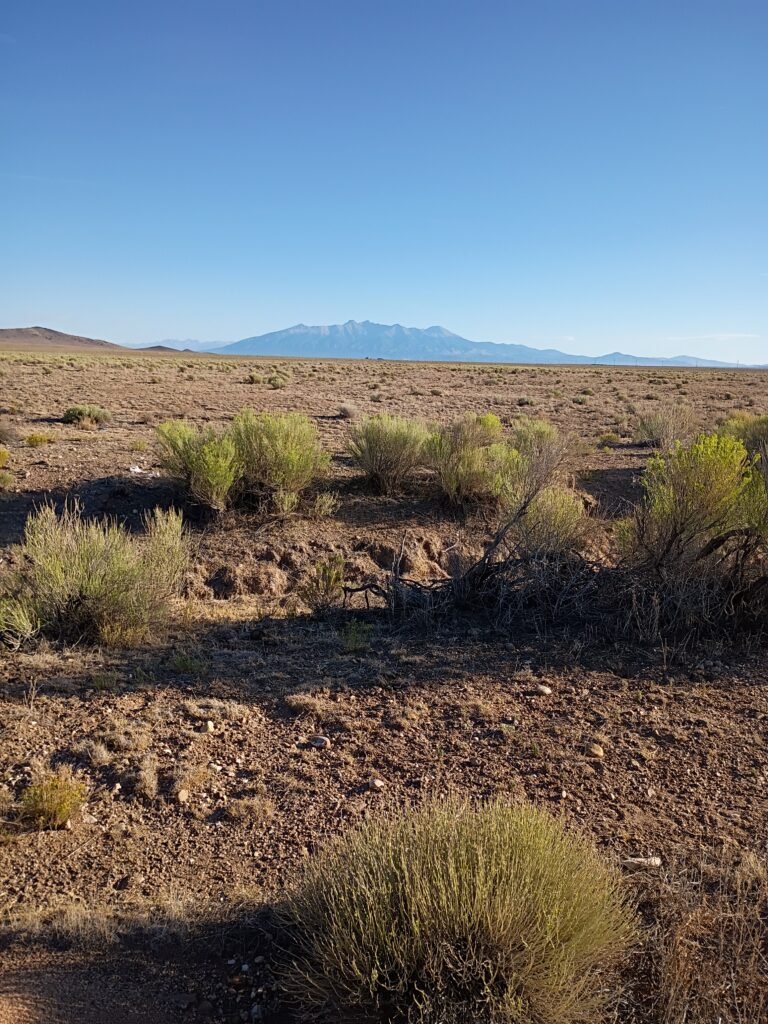
Traditional Septic Systems for Off-Grid Homes
A septic system is one of the most common solutions for rural homes. A typical system uses a septic tank to collect wastewater from toilets, sinks, showers, and other household plumbing. The system then treats wastewater through a soil absorption area or another approved treatment method.
For many landowners, a conventional septic system can provide a familiar solution. However, installation requires more than simply purchasing a tank and digging a hole.
Colorado regulates onsite wastewater treatment systems, often called OWTS. If you plan to install a septic system, you will generally need to follow state and local requirements. Depending on the property and project, you may need an OWTS permit Colorado landowners should investigate before construction.
The property may also need an evaluation to determine whether the soil and site can support the proposed system. Setbacks from wells, property lines, buildings, water features, and other locations can also affect the design.
What Is an OWTS Permit?
OWTS stands for Onsite Wastewater Treatment System. It covers systems that treat and dispose of wastewater on the property instead of sending it to a public sewer.
If you are buying raw land, do not assume that you can install any septic system you want. Local health departments and other authorities may have specific requirements. The exact process can depend on the location, property characteristics, and proposed use.
This is especially important if you plan to build a permanent home. A property may look perfect for an off-grid lifestyle, but its soil, slope, groundwater conditions, or available space could make wastewater installation more complicated.
Checking these details before you buy can help you avoid surprises later.
Composting Toilets as an Alternative
A composting toilet can be another option for some off-grid properties. Instead of sending waste into a septic tank, a composting toilet processes human waste in a contained system designed for that purpose.
These systems can reduce water use, which makes them attractive for remote properties with limited water supplies. They may also reduce the amount of wastewater that needs treatment.
However, a composting toilet does not automatically mean you can ignore local wastewater regulations. Composting toilet laws and local health requirements can vary. Some jurisdictions may allow certain composting toilets under specific conditions, while other wastewater from the property may still require an approved treatment or disposal method.
For this reason, landowners should check local rules before purchasing or installing one.
Costilla County Septic Rules
If you are considering rural land in southern Colorado, local requirements deserve special attention. Costilla County septic rules can affect how you plan an off-grid property, especially if the land does not have access to public sewer service.
The county’s requirements can apply to wastewater systems, permits, inspections, and property development. Your planned use of the property can also affect what approvals you need.
Do not rely only on information from an online land listing. A listing may describe a parcel as suitable for an off-grid home, but that does not guarantee that a particular septic system or alternative toilet will receive approval.
Before buying, contact the appropriate county office and ask what requirements apply to the exact parcel. You can provide the property’s legal description or parcel information so officials can review the location more accurately.
Alternative Waste Systems
Not every rural property can support a standard septic system. In some cases, landowners may explore alternative waste systems that use different treatment or disposal methods.
These systems can include advanced wastewater treatment designs and other approved technologies. The right solution depends on the property and local requirements.
Alternative systems can sometimes cost more than a basic septic installation because they may require specialized equipment, engineering, maintenance, or monitoring. That does not make them unsuitable. It simply means you should understand the complete cost before making a purchase.
Plan Your Waste System Before You Buy
Waste management should be part of your land-buying research, not something you think about after closing.
Start by determining whether the property already has an approved septic system. If it does, ask for the available permit and system information. If the property has no system, find out whether the land can support one.
You should also consider your planned building size and occupancy. A small cabin used occasionally may have different needs from a full-time residence. Your water source matters too. If you plan to use a private well, the location of the well and wastewater system may need to meet required separation distances.
Think about maintenance as well. A septic system requires periodic care and pumping. A composting toilet also needs proper operation and maintenance. Off-grid living does not eliminate these responsibilities. It simply moves them from a public utility to the property owner.
Make Your Colorado Land Purchase With a Plan
Off-grid living can be a great fit for buyers who want privacy, open space, and more control over how they use their property. But successful off-grid living starts with good planning.
Understanding your off grid septic options can help you make better decisions before you buy. A traditional septic system may work well for one property, while another parcel may require an alternative approach. Composting toilets can also play a role, but local laws and wastewater requirements still matter.
If you are looking at land in Costilla County or another rural Colorado area, research the property before making a purchase. Check the septic history, soil conditions, water situation, permits, and county requirements. When needed, speak with the local health department and qualified wastewater professionals.
A little research before buying can help you understand the real development costs and choose land that better fits your off-grid plans.
Frequently Asked Questions
What are the main off grid septic options?
Common options include traditional septic systems, composting toilets, and other approved alternative waste systems. The right choice depends on the property, soil conditions, water supply, intended use, and local regulations.
What is an OWTS permit in Colorado?
OWTS stands for Onsite Wastewater Treatment System. An OWTS permit Colorado property owners may need allows an approved onsite wastewater system to be installed and operated according to applicable state and local requirements.
Can I use a composting toilet on off-grid land?
A composting toilet may be an option for some off-grid properties, but local requirements vary. Composting toilets do not automatically eliminate all wastewater regulations, so check with the appropriate local authority before installation.
What should I know about Costilla County septic rules?
Costilla County septic rules can affect permits, inspections, wastewater system design, and property development. Requirements can depend on the specific parcel and proposed use, so buyers should verify the current rules with the appropriate county office before purchasing land.
Can every rural property support a conventional septic system?
No. Soil conditions, slope, groundwater, available space, setbacks, and local requirements can affect whether a conventional septic system is suitable. A property evaluation may be necessary before an approved system can be designed.