
Building an off-grid property does not always require a huge budget. With the right land and a simple plan, you can create a comfortable basecamp without spending tens of thousands of dollars on a full home. A budget off grid homestead can start with the basics and grow over time.
The key is to focus on what you need first. You do not have to build everything at once. Start with shelter, water, power, and waste management. Then improve the property as your budget allows.
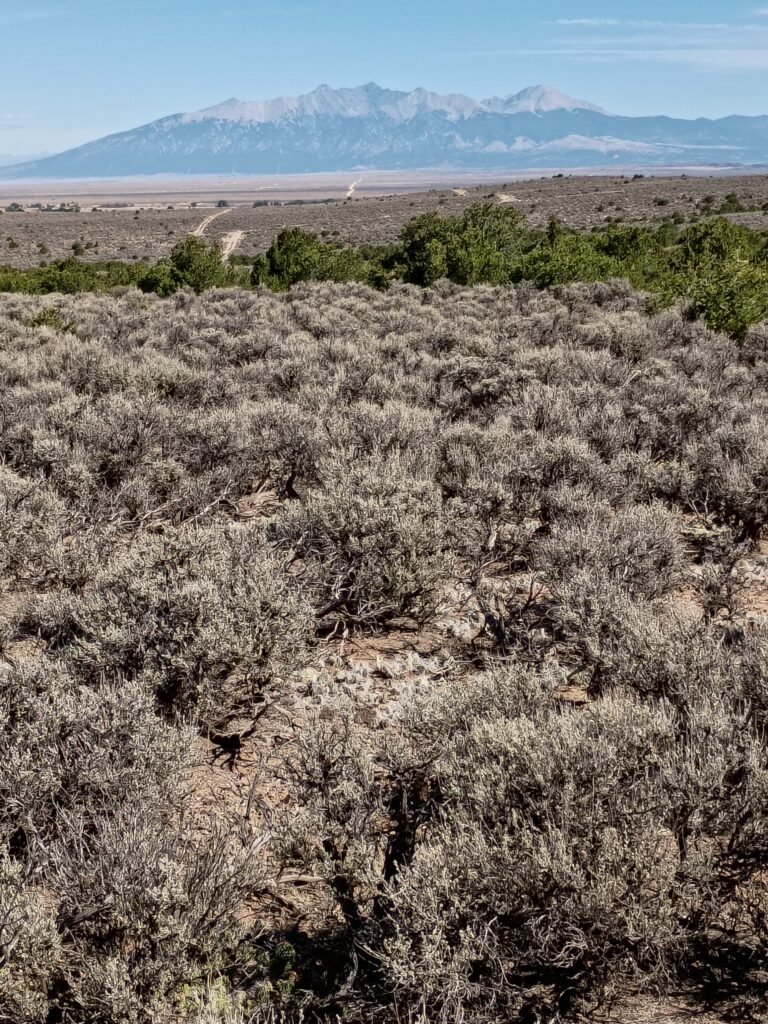
Start With Affordable Raw Land
Your land purchase will usually be one of the biggest parts of your overall budget. If you want to keep your project under $20,000, look for affordable rural land where you can develop the property in stages.
Before buying, research the property carefully. Check road access, zoning, water availability, building requirements, and local restrictions. Cheap land can become expensive if basic development creates unexpected costs.
The cost of setting up raw land depends heavily on the location and your plans. A parcel with good road access and simple terrain may require less preparation than a remote property that needs extensive grading or a new access road.
Keep Your First Shelter Simple
You do not need a large house to create an off-grid basecamp. A small cabin, tiny structure, or other permitted shelter can give you a place to sleep, store supplies, and stay during visits.
An affordable cabin site should have practical features as well as a good view. Look for reasonably level ground, vehicle access, and a location that works with your planned water and waste systems.
Your local building and zoning rules matter here. Before buying materials or starting construction, check what your county allows. Some areas may have specific requirements for residential structures, cabins, foundations, or temporary structures.
A simple shelter can also help you spread your expenses over time. You can begin with a basic setup and add insulation, storage, interior improvements, or additional living space later.
Build a Cheap Off-Grid Power System
Power is another important part of a basecamp. A small solar setup can provide electricity for basic needs without connecting to the utility grid.
A cheap off grid setup might begin with a few solar panels, a charge controller, a battery, and an inverter. The exact system depends on what you plan to power.
Start by listing your actual electrical needs. You may only need lights, phone charging, a small refrigerator, internet equipment, and a few basic tools. If you avoid large power-hungry appliances, you can keep the initial system smaller.
You can expand the system later. This approach lets you spend money where it matters most instead of paying for a large system you do not need yet.
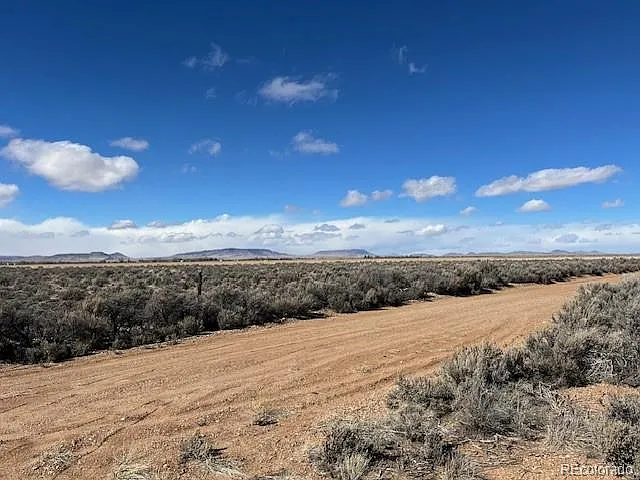
Plan Water Before Construction
Water should be one of your first priorities when developing raw land. Your options may include a private well, cistern, water storage tanks, or delivered water, depending on the property and local rules.
Do not assume that every rural parcel has an easy water solution. Before purchasing land, research the property’s water situation and local requirements.
For a small basecamp, you may not need the same water infrastructure as a full-time home. A storage tank and water delivery may work for occasional use in some locations. However, you should confirm that your planned setup meets local regulations.
Planning water early can also help you decide where to place your cabin, storage areas, solar equipment, and wastewater system.
Choose a Practical Waste Solution
Waste management is another cost you should consider before developing your property. If public sewer service is not available, you may need an approved onsite wastewater system or another permitted solution.
A septic system may be appropriate for some properties, while alternative systems may work better in other situations. Composting toilets can also be considered where local rules allow them.
Your budget land development plan should include permits, installation, maintenance, and future operating costs. Do not choose a system based only on its purchase price.
Check the requirements for your specific county before making a decision. Soil conditions, lot size, water sources, setbacks, and planned occupancy can all affect your options.
Create a Basecamp in Stages
The easiest way to stay near a $20,000 budget is to avoid trying to complete the entire property at once.
Your first stage could focus on making the land usable. This may include basic access improvements, a small shelter, water storage, a simple solar system, and an approved waste solution.
Once the basic setup works, you can improve it gradually. You might add better solar capacity, a larger water system, additional storage, fencing, landscaping, or interior upgrades.
This approach also gives you time to learn how the property works. You can experience the weather, road conditions, water needs, and daily maintenance before investing more money.
Example of a $20,000 Starting Budget
A $20,000 budget does not guarantee that you can develop every property for that amount. Costs vary significantly by location, materials, permits, labor, and site conditions. However, the budget can provide a useful planning target.
You might allocate several thousand dollars toward a small shelter and basic site preparation. Another portion could go toward solar equipment and batteries. Water storage or delivery could take another part of the budget. You should also reserve money for permits, transportation, tools, and unexpected expenses.
Keeping an emergency reserve is important. Rural development often comes with expenses that are difficult to predict before you begin.
Think Long-Term
A budget off grid homestead works best when you treat it as a long-term project rather than a finished property that must be completed immediately.
Start with the essentials. Make sure the land has practical access and that your planned water, power, shelter, and waste systems can meet local requirements. Then improve the property as your needs and budget change.
The goal is not to create a luxury homestead for $20,000. The goal is to create a functional starting point that you can build on over time.
If you are searching for affordable rural land, consider the total development picture before you buy. A low land price can be attractive, but access, water, utilities, permits, and site preparation can change the true cost.
With careful planning, a simple shelter, modest solar system, practical water solution, and approved waste system, you can create a useful off-grid basecamp without trying to build everything at once. The right property can give you a starting point today and room to grow tomorrow.
Frequently Asked Questions
Can I build an off-grid basecamp for under $20,000?
It may be possible to create a basic off-grid basecamp for under $20,000, but costs vary by land price, location, permits, materials, labor, and site conditions. A phased approach can help keep the initial budget manageable.
What should I include in a budget off-grid homestead?
Start with the essentials: a permitted shelter, water supply or storage, basic solar power, and an approved waste solution. You should also budget for permits, transportation, tools, site preparation, and unexpected costs.
What is the cheapest way to get power on raw land?
A small solar system can be a practical starting point for some properties. The right size depends on your electricity needs. Starting with basic loads such as lighting, charging, and small appliances can reduce the initial cost.
How can I get water for an off-grid basecamp?
Depending on the property and local requirements, options may include a private well, cistern, storage tanks, or delivered water. Research the property’s water rights, permits, and local rules before choosing a system.
What should I check before buying land for an off-grid setup?
Check road access, zoning, building requirements, water availability, wastewater options, utilities, terrain, taxes, and local restrictions. Understanding these costs before buying can help you avoid unexpected development expenses.