
Buying raw land in Colorado can be an exciting way to find more space, privacy, and flexibility without buying an expensive finished property. You may want to build a home, create an off-grid retreat, or simply hold the land as a long-term investment.
However, raw land is different from a house or developed property. It may not have a driveway, utilities, a well, septic system, or other basic improvements. Before buying raw land Colorado, take time to understand what the property offers and what you may need to add later.
Here are five important things to check before you purchase.
1. Check Access to the Property
One of the first things to investigate is how you will reach the land. A property may look affordable online, but access can become a major issue if you cannot easily reach it by vehicle.
Check whether the parcel connects directly to a public road. If it does not, find out whether you have a recorded access easement. An easement may give you legal access through another property, but you should review the actual documents instead of relying only on a listing description.
Also consider the condition of the road. A dirt road may work well during dry weather but become difficult after heavy rain or snow. Remote Colorado properties can have seasonal access challenges, so think about how you plan to reach the property throughout the year.
Access also matters for construction. If you eventually plan to bring in building materials, water tanks, equipment, or a small cabin, you need a route that can handle those needs.
2. Understand Zoning and Land-Use Rules
Before buying undeveloped land, find out what you can legally do with it. Zoning and land-use rules vary between Colorado counties and municipalities.
Do not assume that owning acreage automatically means you can build whatever you want. Local rules may affect residential construction, accessory structures, camping, RV use, agricultural activities, and other plans.
If your goal is to create an off-grid property, ask the local planning or building department about your intended use before purchasing. This step can help you avoid one of the most expensive Colorado land buying mistakes: buying land first and discovering later that your plans do not fit local requirements.
You should also check whether the parcel has any special restrictions, covenants, or subdivision rules. These can affect how you use the property even when the land itself appears suitable for your plans.
3. Investigate Water and Utilities
Water is one of the most important issues to research when buying rural Colorado land. A vacant parcel may not have a public water connection, and the availability of a well can depend on the property’s location, water rights, permits, and other factors.
Do not assume that a listing statement such as “water available” means you can automatically drill a well. Ask for specific information about existing wells, well permits, water rights, or other available water sources.
Colorado uses a water-rights system that can make water availability more complicated than simply owning the land. The Colorado Division of Water Resources provides well-permit information and tools that can help buyers research existing wells and permits.
Electricity is another consideration. If utility power does not reach the property, you may need to pay for an extension or create an off-grid power system. Solar power can be an option for some rural properties, but the system size will depend on how you plan to use the land.
Understanding these costs before closing gives you a more realistic picture of the property’s total cost.
4. Check Soil, Septic, and Building Conditions
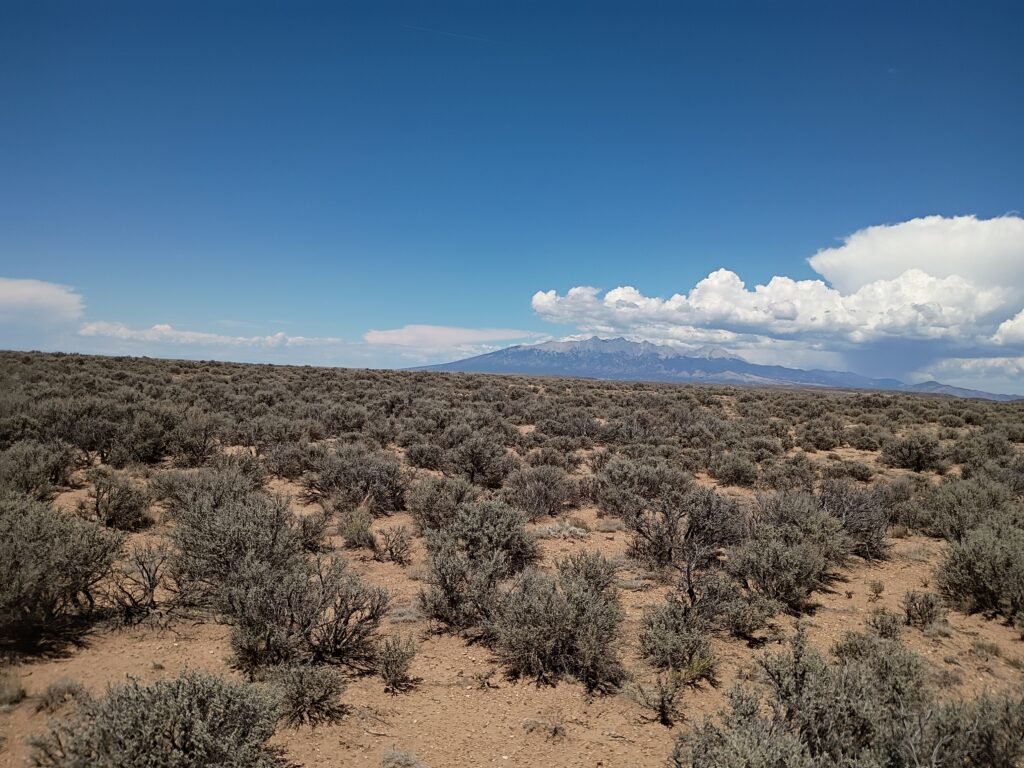
Raw land may look perfect from photos, but the ground itself can determine what you can build.
If you plan to construct a home or cabin, investigate the site’s slope, soil conditions, drainage, and other physical characteristics. These factors can affect foundations, driveways, septic systems, and site preparation.
Wastewater is especially important if the property does not have access to a public sewer. You may need an approved onsite wastewater treatment system, commonly called an OWTS, depending on your plans and local requirements.
Do not wait until after buying the property to investigate septic options. If a parcel cannot easily support your planned wastewater system, development could become more expensive or require a different design.
This is why a raw land due diligence checklist should include more than the purchase price. You need to understand the physical characteristics of the property and the improvements you may need to make.
5. Calculate the Total Cost of Ownership
The price of the land is only one part of the purchase. Raw land can require additional spending before it becomes ready for your intended use.
Think about road improvements, surveying, clearing, grading, water, power, septic, permits, construction, fencing, and ongoing property taxes. You may not need all of these immediately, but knowing the potential costs can help you set a realistic budget.
It is also wise to keep money available for unexpected expenses. Rural properties can have conditions that are difficult to identify from an online listing or quick property visit.
A vacant land checklist can help you stay organized. Review access, zoning, title information, water, utilities, soil, septic options, taxes, and property restrictions before you make a final decision.
Avoid Common Land-Buying Mistakes
Many problems can be avoided by doing research before signing a purchase agreement. One common mistake is focusing only on acreage and price. A large parcel may seem like a great deal, but its value for your plans depends on access, regulations, water, terrain, and development costs.
Another mistake is assuming that neighboring properties have the same development options. Two parcels in the same general area can have different permits, restrictions, water situations, or physical conditions.
Take your time and verify important information with the appropriate county offices, title professionals, surveyors, and other qualified professionals when needed.
Make an Informed Land Purchase
Buying raw land Colorado can give you the opportunity to create something that fits your goals. Whether you want a future home, an off-grid basecamp, or a quiet piece of rural property, good research can make the process much easier.
Before you buy, look beyond the listing price. Confirm access, understand zoning, investigate water and utilities, evaluate the land itself, and estimate your future development costs.
Raw land does not have to be complicated, but it does require careful planning. When you understand what you are buying and what you can realistically do with it, you can move forward with a much clearer picture of your Colorado land purchase.
Frequently Asked Questions
What should I check before buying raw land in Colorado?
Check property access, zoning, water availability, utilities, soil conditions, septic options, property restrictions, taxes, and potential development costs. These factors can affect how useful and affordable the land will be for your plans.
Does raw land in Colorado always have legal road access?
No. Some parcels may connect directly to a public road, while others may rely on a recorded access easement. Review the property’s legal access documents before purchasing and consider road conditions throughout the year.
Can I build anything I want on undeveloped land in Colorado?
Not necessarily. County and municipal zoning, building requirements, subdivision rules, covenants, and other restrictions may affect what you can build or how you can use the property. Check the applicable local requirements before buying.
How important is water when buying vacant land?
Water can be one of the most important issues to investigate. A rural parcel may not have public water, and well availability depends on the property’s location, permits, water rights, and other factors. Research the property’s specific water situation before purchasing.
What costs should I consider besides the land price?
Additional costs may include road improvements, surveying, grading, water, electricity, septic, permits, construction, fencing, property taxes, and ongoing maintenance. Planning for these expenses can give you a more realistic total budget.