
Buying rural land can give you more space, privacy, and freedom. But before you purchase a remote parcel, you need to answer one important question: How will you get to the property?
A parcel can have legal access on paper but still be difficult to reach in real life. It can also have a visible dirt road but lack a legal right to use it. Understanding the difference between legal and physical access can help you avoid buying landlocked property that creates problems later.
If you are searching for rural acreage, take time to investigate land access roads before you make an offer.
What Is Legal Access?
Legal access means you have a recognized legal right to reach your property from a public road or another access point. This right may come from a public road connection, an easement, or another recorded document.
For example, your property might sit behind another parcel. A recorded easement could give you the right to travel across the neighboring property to reach your land. This type of deeded easement raw land buyers should look for can be especially important when purchasing remote acreage.
Do not rely only on what a seller tells you about access. Ask to see the actual deed, title documents, survey, or recorded easement. The documents can show where the access runs and what rights come with it.
An easement may also include conditions. It could specify who can use the road, where the access is located, or who is responsible for maintenance.
What Is Physical Access?
Physical access is about whether you can actually reach the property.
A road may appear on a map and still be difficult to drive. A rural road might become muddy after rain or covered by snow during winter. Steep terrain, erosion, fallen trees, or poor maintenance can also make travel difficult.
This is why you should inspect land access roads in person when possible. A road that looks fine during a dry summer visit may not be practical during other seasons.
Consider the type of vehicle you will use. If you plan to bring a trailer, construction equipment, water tank, or emergency vehicle onto the property, a narrow or rough road could create additional problems.
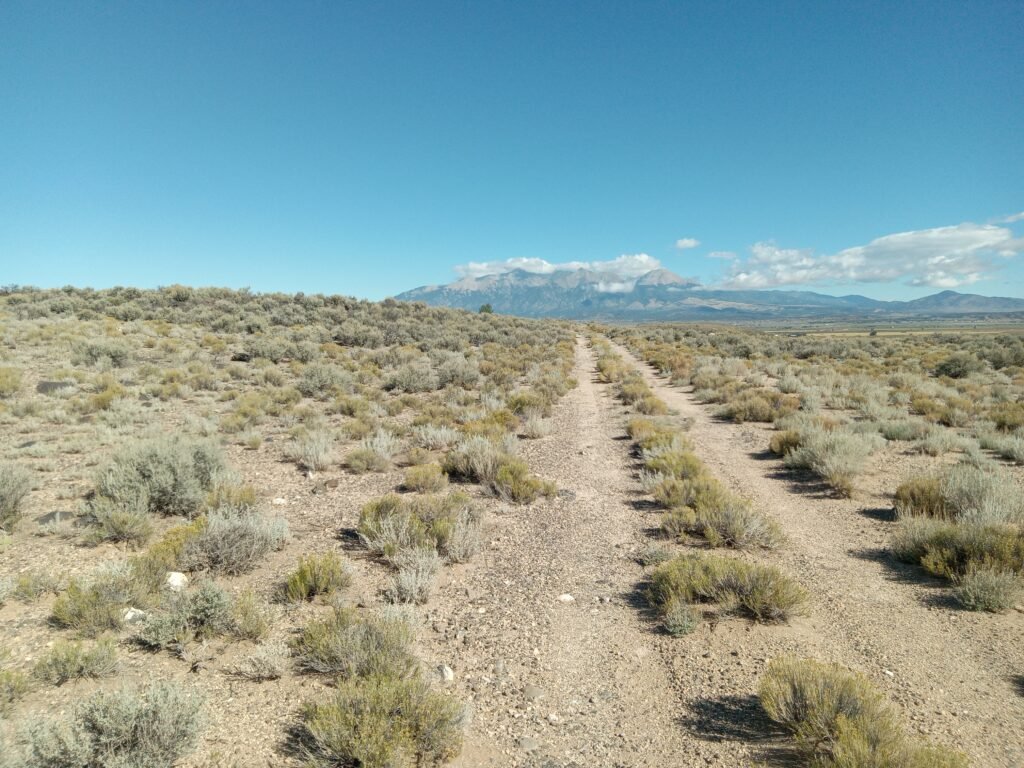
Legal Access Does Not Always Mean Easy Access
One of the biggest mistakes land buyers make is assuming that legal access guarantees convenient access.
Imagine that your deed gives you the right to use a private dirt road. You may have a legal right to travel across that road, but the road could still require regular maintenance.
This is where dirt road maintenance rural acreage becomes important. Someone needs to handle grading, drainage, snow removal, erosion repairs, or other work when the road deteriorates.
Before buying, find out who maintains the road and how those costs are shared. If several property owners use the same road, there may be an agreement that explains their responsibilities.
Without a clear understanding, a simple access road can become an unexpected expense.
Be Careful With Unmaintained County Roads
Some rural properties have access through county roads, but not every county road receives the same level of maintenance.
An unmaintained county road may be legally recognized as a road while receiving little or no regular maintenance from the county. The responsibility for keeping it usable may fall partly or entirely on property owners.
Do not assume that the word “county” means the road will always be paved, graded, plowed, or repaired by the local government.
Ask the appropriate county office about the road’s status and maintenance responsibility. You can also visit the road yourself and speak with nearby property owners to understand its typical condition.
What Does Landlocked Mean?
A property is generally described as landlocked when it does not have a legal route to a public road.
This can create serious problems. You may own the parcel, but without legal access, reaching it could depend on obtaining rights across neighboring land.
This is why buyers should understand landlocked land laws before purchasing remote acreage. Access rights can depend on state law, existing deeds, recorded easements, historical use, and the specific circumstances surrounding the property.
Do not assume that you will automatically receive a right to cross a neighboring property simply because your parcel has no road.
If you discover an access problem before purchasing, speak with a qualified real estate attorney or title professional who can review the property’s records and explain the available options.
Check the Title and Recorded Documents
A title search can reveal important information about property access. Look for recorded easements, rights-of-way, road agreements, and other documents affecting the parcel.
The location of an easement also matters. An easement may provide access, but you need to know exactly where it runs.
For example, an easement might cross a portion of a neighboring parcel before reaching your property. If the route shown on an old document differs from the road you currently see on the ground, you should investigate the difference before buying.
A survey can also help you understand the relationship between the property boundaries, roads, and easements.
Visit the Property Before Buying
Online maps and satellite images are useful, but they cannot replace a property visit.
Drive the route yourself if you can. Look at the road surface, steep areas, drainage, gates, bridges, and other potential obstacles. Check the route from the public road all the way to the parcel.
Try to understand what the road may be like during different seasons. Ask nearby landowners about snow, mud, flooding, and maintenance.
If you cannot visit the property yourself, consider having a trusted local person or qualified professional inspect the access route for you.
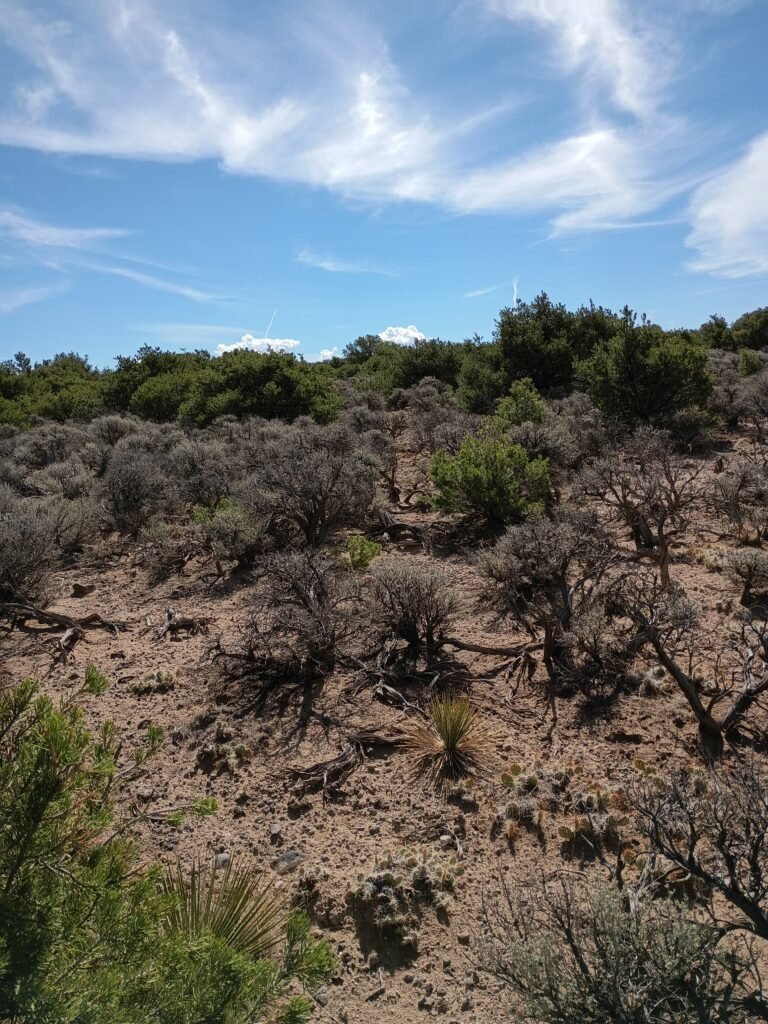
Make Access Part of Your Due Diligence
Access should be one of the first things you investigate when buying rural land. Do not wait until after closing to find out how you will reach your property.
Confirm that you have legal access. Review any recorded easements. Determine who maintains the road. Check whether county roads receive regular maintenance. Then inspect the actual route to make sure physical access matches what the documents describe.
The difference between legal access and physical access may seem small, but it can have a major effect on your ownership experience.
When you take time to research land access roads before buying, you can better understand the property and avoid surprises. Good access can make it easier to visit your land, bring in supplies, develop the property, and enjoy your investment for years to come.
Frequently Asked Questions
What is the difference between legal access and physical access?
Legal access means you have a recognized right to reach your property, such as through a public road or recorded easement. Physical access means you can actually travel the route to the property. A parcel can have legal access while still having difficult or poorly maintained roads.
How can I verify legal access to rural land?
Review the property’s deed, title documents, survey, and recorded easements. Look for rights-of-way or other documents that establish access. A title professional or real estate attorney can also help review access rights before you purchase.
Who is responsible for dirt road maintenance on rural acreage?
Responsibility depends on the road and any agreements affecting it. Property owners may share maintenance costs on private roads, while some public roads may be maintained by a local government. Check the applicable road agreements and ask the appropriate county office about maintenance responsibilities.
What should I know about an unmaintained county road?
An unmaintained county road may provide a legal route but receive limited or no regular maintenance from the county. Road conditions can change because of snow, rain, erosion, or other weather conditions. Verify the road’s status and maintenance responsibility before buying the property.
How can I avoid buying landlocked property?
Confirm legal access before closing by reviewing title records, easements, and rights-of-way. Then physically inspect the access route from the public road to the property. If access is unclear, have a qualified title professional or real estate attorney review the situation before you purchase.